
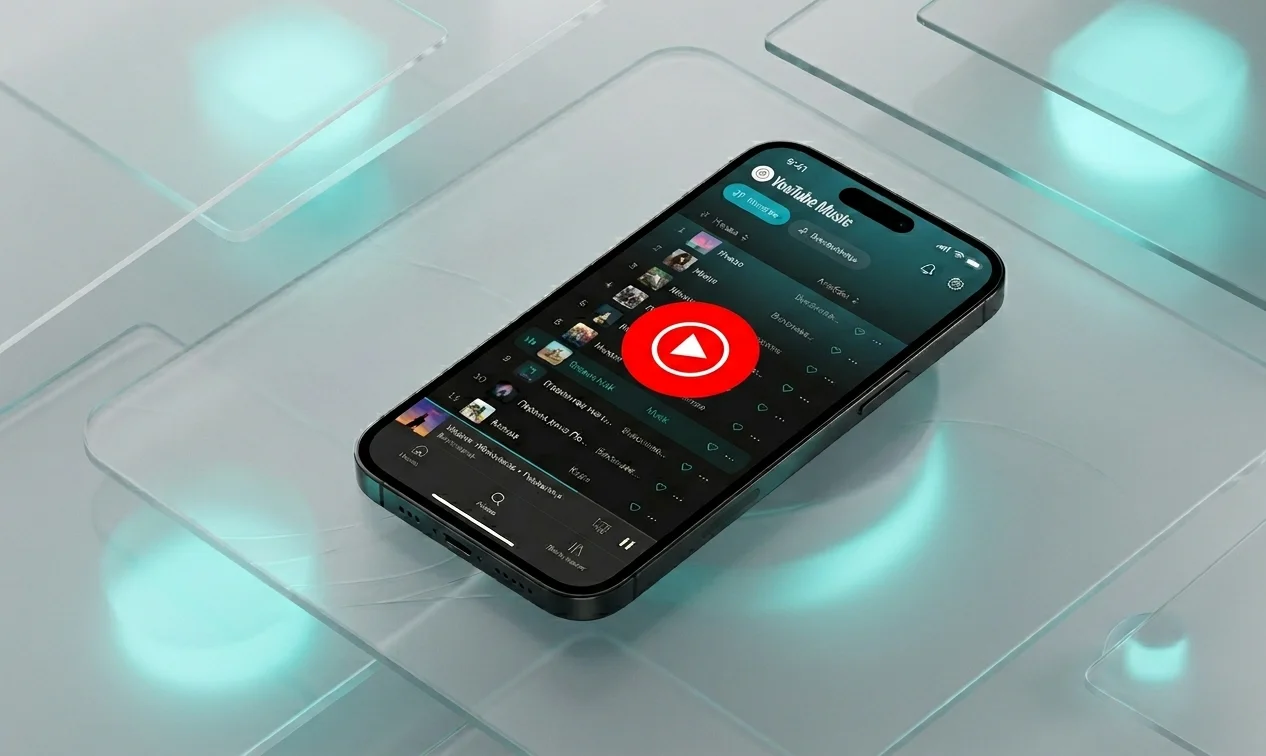
- The Long Term Evolution of YouTube Music Interface and Playlist Management Challenges
- Detailed Technical Deep Dive into the New Sorting and Indexing Filters
- Comparative Analysis of Library Organization Capabilities in Modern Streaming Products
- Architectural Obstacles in Managing Hybrid Media Formats and Metadata
- Market Realities and Impact on User Retention Rates
The Long Term Evolution of YouTube Music Interface and Playlist Management Challenges
The music streaming platform YouTube Music, acting as the primary spiritual successor to Google Play Music, has undergone a long and intricate development path. For nearly a decade, users of this software ecosystem were forced to deal with a noticeable architectural limitation, specifically the complete absence of automated tools for organizing tracks inside user curated playlists. Any management of large audio collections required tedious manual drag and drop restructuring of each individual element, creating significant friction for audiophiles. In May 2026, Google developers initiated the mass deployment of a server side infrastructure update designed to eliminate this technical debt once and for all.
The main difficulty in implementing automated content structure options was rooted in the specific nature of the platform. Unlike traditional competitors, the YouTube Music database was originally built as an extension of the primary YouTube video hosting platform. Consequently, custom playlists adhered to standard video library logic for a long time, where chronological insertion order is prioritized. This simplified mechanism proved entirely inefficient for music libraries consisting of hundreds or thousands of songs, where users urgently require immediate access to files based on localized metadata.
Detailed Technical Deep Dive into the New Sorting and Indexing Filters
The latest server side update integrates a dedicated control button into the mobile and web client layouts, located right below the playlist visual artwork. This element triggers a structural context menu that provides four distinct options for dynamic media index modification.
- Default Order – The classic chronological layout that displays tracks in the exact sequence they were originally appended to the database by the user.
- By Track Title – Alphabetical sorting of text strings from A to Z. The algorithm natively adjusts to localized characters and correctly processes both Latin and Cyrillic symbols.
- By Artist Name – Automated grouping of all available files around specific creator identifiers, allowing sequential playback of works by a particular musician.
- By Album Title – Structuring audio files according to official studio releases, which helps preserve the conceptual integrity of the original long play formats.
A critical characteristic of the deployed feature is its non destructive dynamic nature. Altering the display layout on a mobile screen does not overwrite the baseline persistent index on Google cloud servers. This means that a user can temporarily sort a massive playlist alphabetically to find a specific entry and then revert to the original chronological structure with a single interaction.
Comparative Analysis of Library Organization Capabilities in Modern Streaming Products
Architectural Obstacles in Managing Hybrid Media Formats and Metadata
Many industry analysts have wondered why the implementation of such an elementary option required nearly ten years of software iterations. The core technology obstacle was the hybrid nature of the YouTube Music catalog. Unlike the Spotify ecosystem, which operates exclusively with licensed audio objects delivered by official distributors, the Google service allows users to insert standard video streams, cover versions, and live concert bootlegs from the main YouTube domain directly into their music плейлісти.
Such media elements frequently lack standard ID3 container attributes like album text or explicit artist fields. To achieve reliable sorting performance, software engineers had to construct automated text parsing algorithms for video titles. If the system detects a text string formatted as artist name paired with a song title, it applies semantic analysis to extract this information for subsequent alphabetical layout positioning. Files with unreadable metadata are automatically pushed to the very end of the playlist sequence to prevent structural corruption of properly indexed components.
Market Realities and Impact on User Retention Rates
Despite lagging behind in user interface ergonomics for a considerable time, YouTube Music maintains a stable market share due to its unique subscription distribution bundle. Bundling the music platform with the comprehensive YouTube Premium plan at a rate of 13.99 USD makes it financially logical for hundreds of millions of consumers who want an ad free video watching experience. However, the lack of basic library filters frequently acted as a major catalyst for demanding audio collectors to migrate to alternative platforms.
By addressing this vulnerability, the Google media ecosystem gains a powerful asset for boosting user retention. The rollout process is being executed gradually via server side feature switches. This allows the implementation to become accessible to target groups without requiring mandatory client updates from the Google Play Store or Apple App Store. The activation of user interface changes will conclude globally over the coming days following a scheduled client application initialization sequence.



0 Comments