
- Rethinking the Voice Assistant in the Apple Ecosystem
- New Standards for Information Retention
- Technical Implementation and Local Processing
- Integration with System Applications
- Market Analysis and Privacy Policy Comparison
- Economic Aspects of Maintaining Privacy
- Balancing Personalization and Anonymity
- The Future of Voice Interfaces
Rethinking the Voice Assistant in the Apple Ecosystem
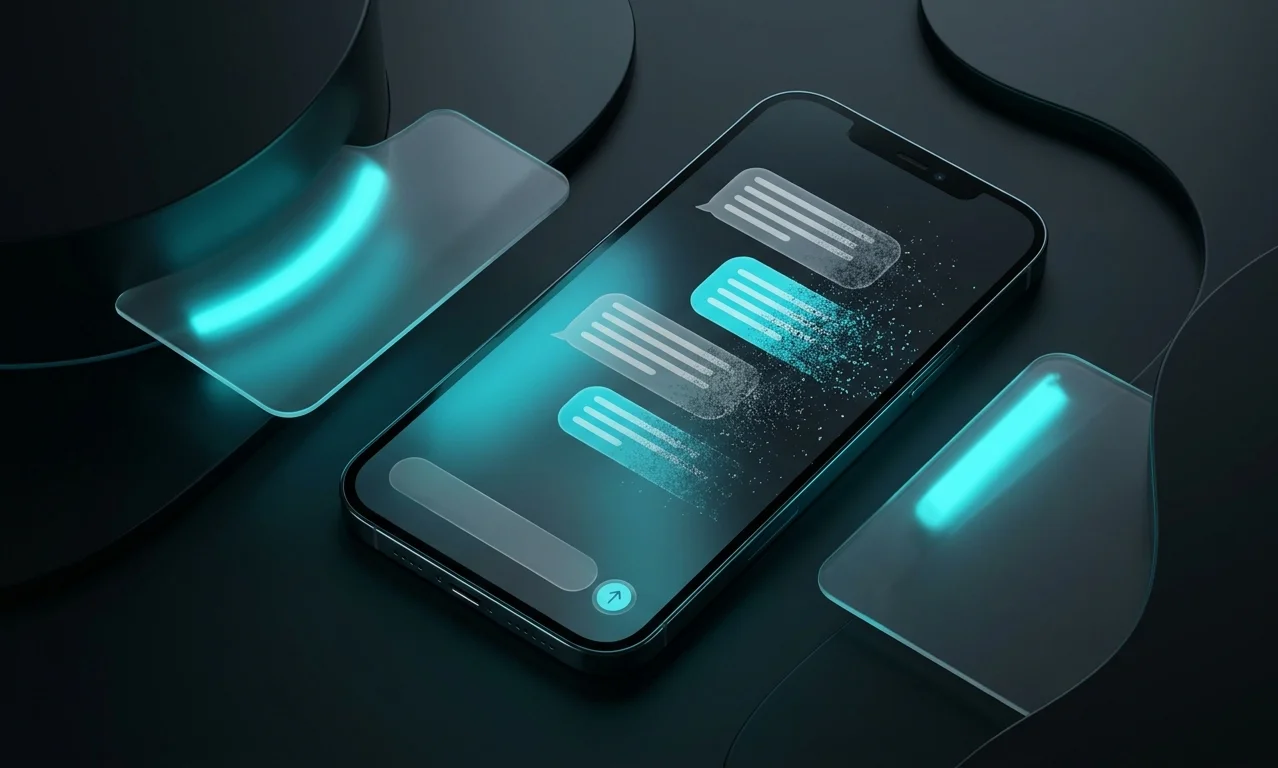
Apple is preparing a massive update for its proprietary assistant Siri as part of the upcoming iOS 27 operating system. According to analytical data and industry leaks, developers plan to transform Siri from a simple voice command tool into a fully functional conversational application. The new interface will allow users to conduct text-based conversations, making it visually and functionally similar to modern language models. However, the main focus of this update is not only the intellectual component but also strict control over personal data. In an era where information is the main asset of tech corporations, Apple continues its steadfast strategy of protecting user privacy.
New Standards for Information Retention
A key feature of the updated Siri will be the integration of an automatic chat history deletion function. Users will be given the ability to independently determine how long their queries will be stored in the system. According to preliminary data, the settings menu will offer several basic options. Among them are automatic clearing after 30 days, deletion after 1 year, and indefinite storage until manual intervention. This approach fundamentally differs from the current algorithms of most cloud platforms, which accumulate data for further training of their neural networks. Granting users direct control over the lifecycle of their data is a logical continuation of the transparency policy that the company has been implementing over the past years.
Technical Implementation and Local Processing
To ensure a high level of privacy, Apple relies on the power of its proprietary A-series and M-series processors. Most queries to the new Siri will be processed locally directly on the device. This means that text, voice, and conversational context will not leave the boundaries of the smartphone or tablet. Local processing not only reduces the risks of data interception but also ensures a quick system response even under unstable internet connection conditions. For complex tasks that require massive computational power, Private Cloud Compute technology will be utilized. It involves transferring anonymized data to secure Apple servers, where information is not stored after the query is executed.
Integration with System Applications
The updated Siri will gain expanded access to internal system applications such as Mail, Messages, Calendar, and Notes. This will allow the assistant to analyze context and provide much more accurate responses. For instance, a user can ask to find information about a scheduled meeting or extract data from a specific email. At the same time, the automatic chat deletion mechanism guarantees that the history of such deeply personalized queries will not accumulate as a permanent digital footprint. All interactions will occur in an isolated sandbox environment, which precludes third-party applications from accessing the dialogue history with Siri.
Market Analysis and Privacy Policy Comparison
To better understand Apple’s position in the market, it is worth comparing the approaches of leading companies to user data management. Most artificial intelligence services offer basic privacy tools, but they often require additional manual configurations or upgrading to paid tiers, the cost of which can reach up to 20 USD per month for corporate clients.
Economic Aspects of Maintaining Privacy
Maintaining the server infrastructure to process billions of queries daily requires colossal expenditures. Companies that provide free access to their language models often compensate for these costs through the collection and analysis of user data. Apple chooses a different path, monetizing hardware and subscription services. Hardware solutions, such as the Neural Engine, allow offloading a significant portion of computations to the client side, thereby unloading servers and reducing operational costs. This approach enables the implementation of strict data deletion rules without financial losses for the corporation.
Balancing Personalization and Anonymity
One of the main challenges for iOS 27 developers is maintaining a high quality of responses while regularly deleting conversational context. Modern assistants become more useful when they remember preferences, habits, and previous user requests. Apple solves this problem by creating a local semantic index on the device. This index stores not the dialogues themselves, but abstract behavioral patterns and facts that may be useful in the future. When the chat history is deleted after 30 days, personalized settings remain safely in the secure enclave of the smartphone. This allows the system to learn locally without violating established privacy preservation rules.
The Future of Voice Interfaces
The introduction of automatic chat deletion in Siri could become a new industrial standard. With increasing regulatory pressure in the European Union and other regions, companies are forced to reconsider their approaches to data processing. Apple’s initiative demonstrates that it is possible to create a smart and effective assistant without turning it into a tool for total surveillance. The release of iOS 27 is expected to take place during the annual developer conference, where the company will detail the architecture of the updated Siri and provide tools for integrating third-party applications in compliance with the new security protocols.



0 Comments