
Table of Contents
A New Era of Power: Why Dell is Betting on Supercapacitors
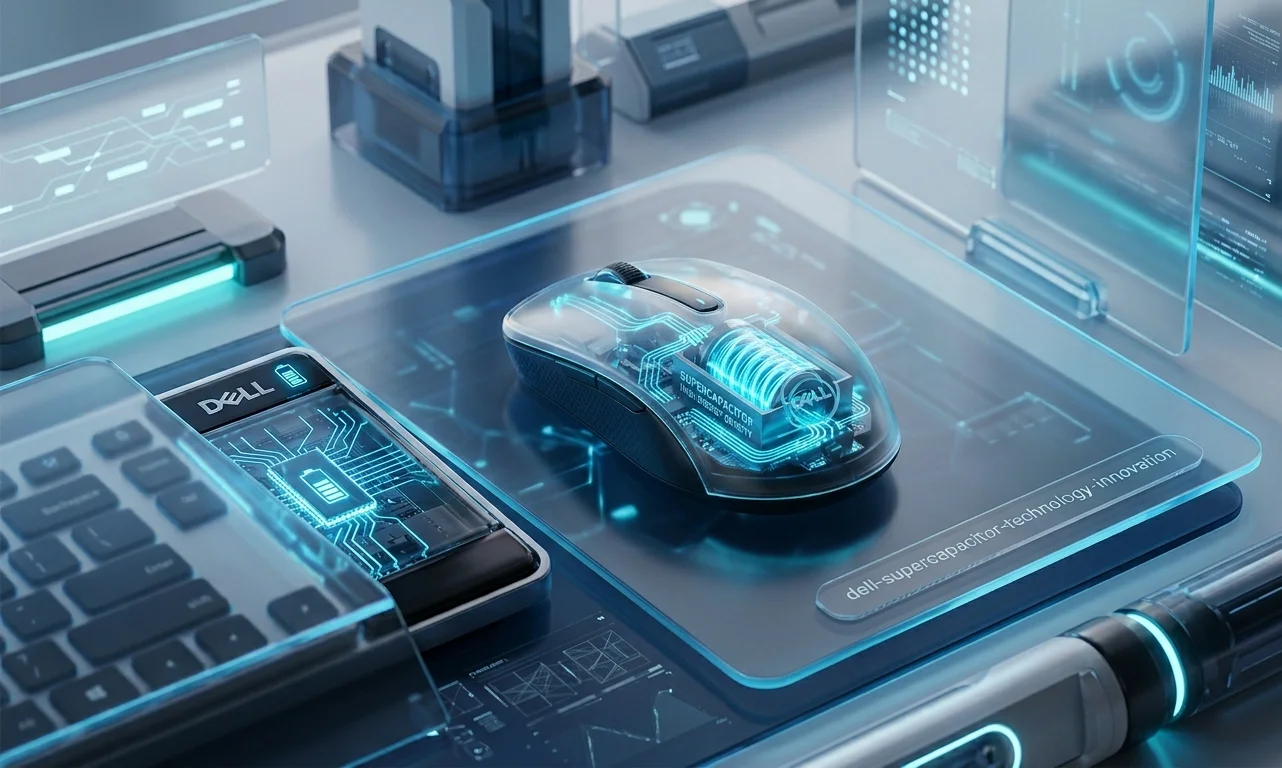
For years, lithium-ion (Li-ion) batteries have been the gold standard for wireless devices. However, Dell is pivoting towards supercapacitors in its latest peripherals, aiming to solve the long-standing issues of battery degradation and slow charging times.
The Technical Edge: Capacitors vs Batteries
Unlike batteries that rely on chemical reactions, supercapacitors store energy electrostatically. This allows for nearly instantaneous energy transfer. While a standard Li-ion mouse might take an hour to charge, a supercapacitor-based device can reach full capacity in just 15 to 60 seconds.
Key Benefits for Professionals
- Zero Downtime: A 15-second charge provides hours of use, eliminating the need for long cables.
- Sustainability: By removing lithium, Dell reduces toxic waste and improves the recyclability of its products.
- Product Longevity: These devices are built to last over a decade without battery replacement.
While the initial cost may be higher, around 150 USD in the US market, the total cost of ownership is lower due to the extreme durability of the internal components.

0 Comments