
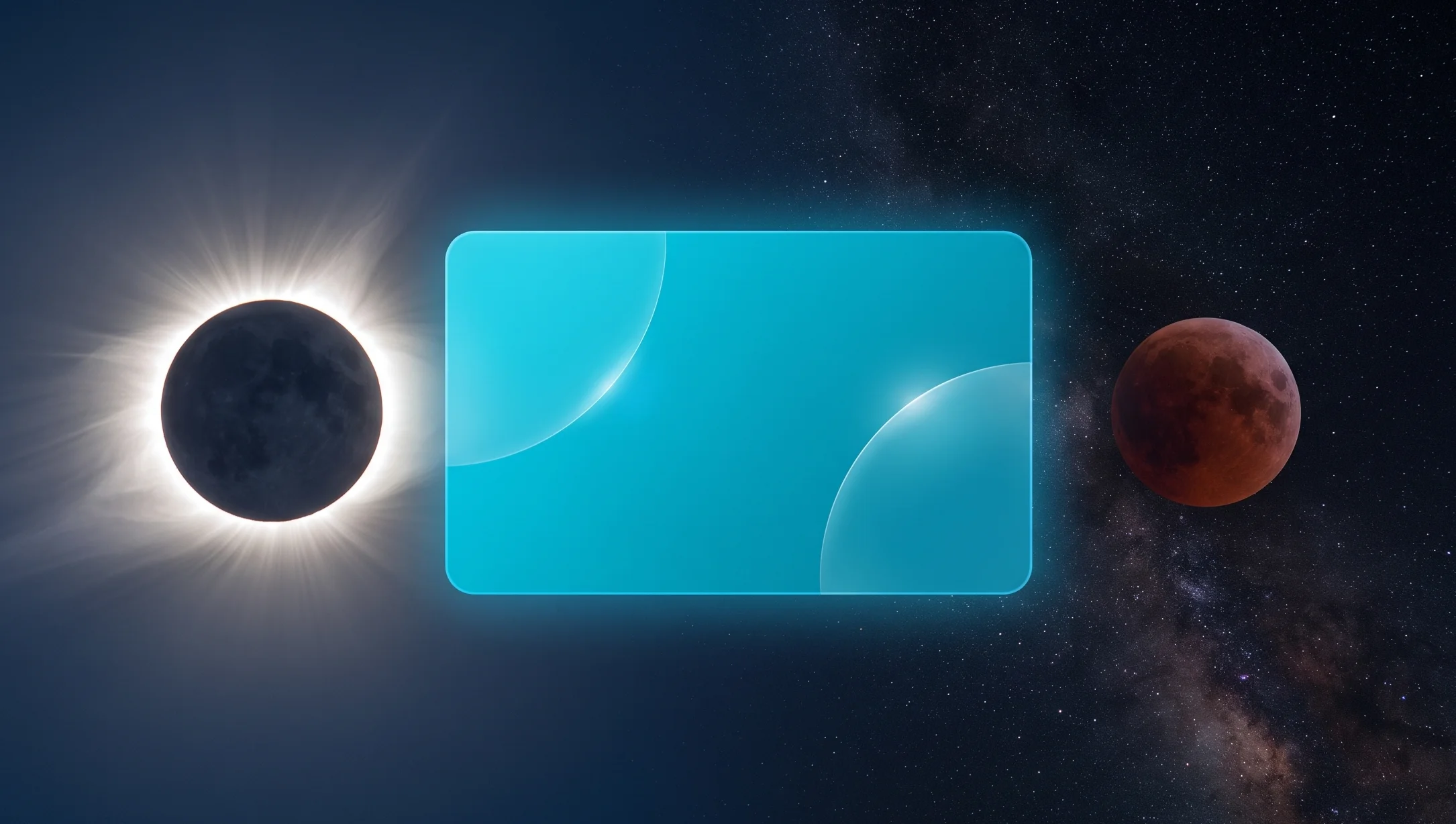
A Rare August Astronomical Duo
August presents an exceptional opportunity for skywatchers across the globe. Within a single month, two significant astronomical events will take place – a total solar eclipse and a deep partial lunar eclipse. Such a combination of events occurring in close sequence is relatively rare and draws widespread attention from scientists and amateur astronomers alike.
The highlight event is the total solar eclipse, which will pass across regions of North America, the Atlantic, and Europe. Additionally, the event aligns closely with the peak activity of the annual Perseid meteor shower, creating prime conditions for daytime and nighttime observation.
2>Total Solar Eclipse – Geography and Timing
The first eclipse of the month occurs on August 12. The path of totality begins in northern latitudes, moving through Greenland, skirting Iceland, and concluding over the Iberian Peninsula in Spain.
The width of the path of totality measures approximately 293 km, with the maximum duration of total solar coverage reaching 2 minutes and 18 seconds near the coast of Iceland. In Europe, the best viewing locations are in northern and central Spain, where totality will occur near sunset.
Key Parameters of the Solar Eclipse
Safety Protocols for Solar Viewing
Observing a solar eclipse demands strict adherence to safety measures. Looking directly at the Sun without protection can result in permanent retinal damage known as solar retinopathy.
- Specialized Eclipse Glasses – Only use certified eclipse glasses that comply with the ISO 12312-2 international standard. Regular sunglasses do not provide adequate protection.
- Optical Instruments – Never view the Sun through binoculars, telescopes, or camera lenses without proper front-mounted solar aperture filters.
- Pinhole Projection – Using a pinhole projector or a colander to project the solar image onto a white surface is the safest method for indirect viewing.
- Totality Window – Protective eyewear may only be removed during the brief period when the Sun is completely covered by the Moon. Protective gear must be replaced immediately as soon as the solar disk reappears.
Partial Lunar Eclipse on August 28
Two weeks following the solar eclipse, on the night of August 27-28, the second celestial event will occur – a partial lunar eclipse. During this alignment, Earth passes between the Sun and the Moon, casting its shadow across the lunar surface.
The maximum magnitude of the Moon entering Earth’s umbral shadow will reach roughly 93%, making it visually close to a total eclipse. The lunar surface will assume a characteristic dark reddish-brown hue due to Rayleigh scattering in Earth’s atmosphere.
Comparison of the Two Astronomical Events
Perseid Meteor Shower and Synchronous Phenomena
The August astronomical calendar is further enhanced by the peak of the Perseid meteor shower on August 12-13. The overlap between the meteor peak and a New Moon phase creates optimal conditions with minimal natural light pollution.
During night observations following the solar eclipse, observers under dark skies may witness 60 to 100 meteors per hour. For optimal viewing conditions, traveling away from urban light sources to open areas with clear horizon lines is recommended.
Preparation and Site Selection
Ensuring successful observations requires checking regional weather forecasts and securing necessary gear well in advance. Cloud cover remains the critical factor for both events.
- Select observing sites away from light pollution for the lunar eclipse and meteor shower.
- Verify that solar filters and glasses are free from scratches or punctures prior to solar observation.
- Set up tripods and camera gear with manual exposure capabilities for lunar tracking.
- Utilize astronomy software to track precise timing for eclipse contacts based on your exact location.




0 Comments