
- Major Upgrade to Google DeepMind Music Model
- Vocal Realism and Phonetic Precision
- Improved Articulation for Fast Rhythms
- Granular Inpainting and Editing Tools
- Targeted Lyric and Instrumental Alterations
- Developer Access and Production Standards
- Export Formats and Audio Resolution
- Copyright Protection and Watermarking
Major Upgrade to Google DeepMind Music Model
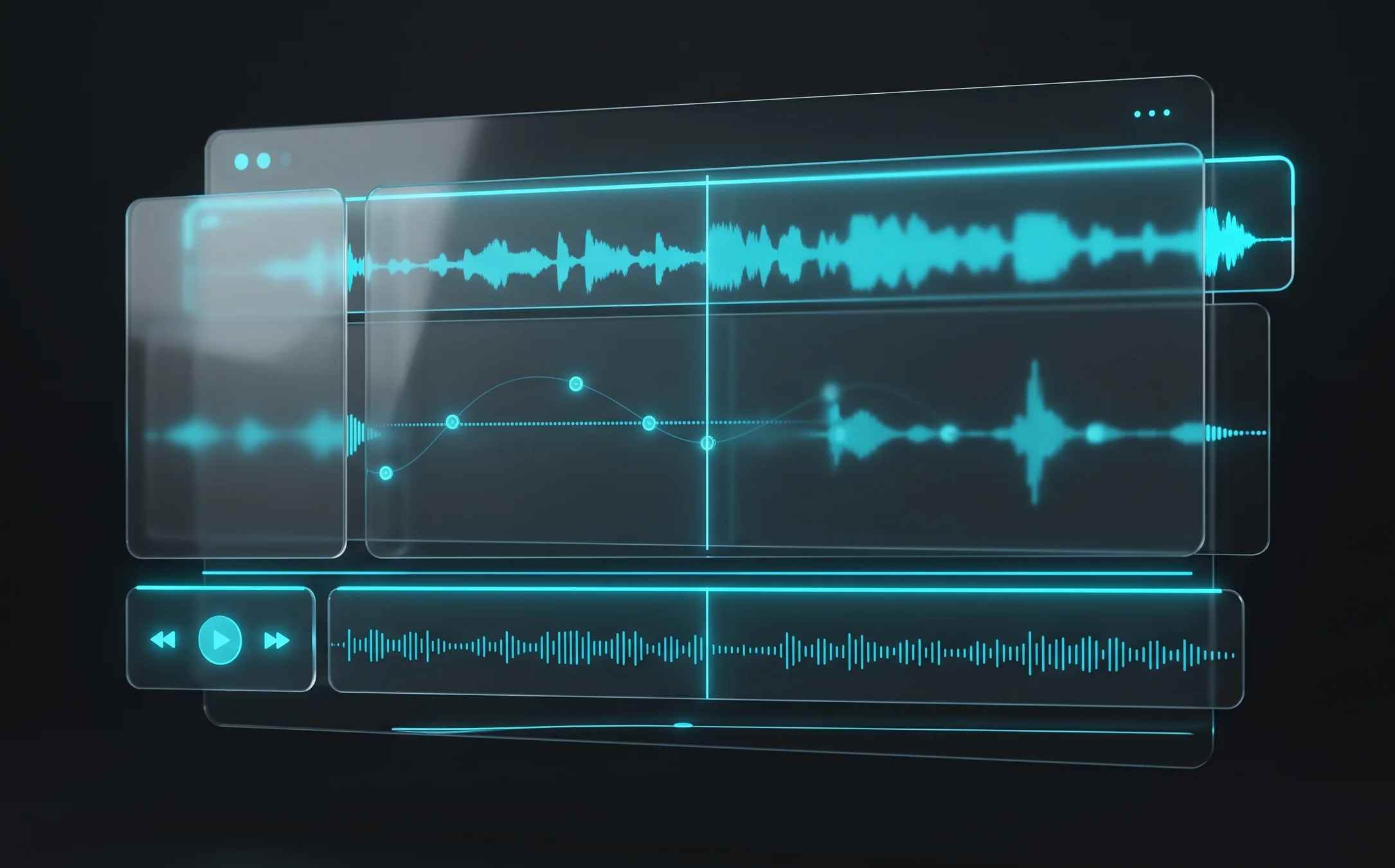
Google has officially introduced an updated version of its generative audio model, Lyria 3.5. The music creation engine now features higher vocal synthesis fidelity, an expanded emotional dynamics range, and new algorithms for pinpointing and editing track sections. The update aims to provide creators with granular control over track structure, rhythm, and lyrics without regenerating the entire composition. This workflow enhancement accelerates media score production and simplifies post-processing operations.
The updated model is fully integrated into the Google Flow Music environment and accessible to developers via the Gemini API. Lyria 3.5 targets sound designers, content creators, and musicians requiring precise control during audio prototyping. The revised engine allows parameter modulation while retaining harmonic structure.
Vocal Realism and Phonetic Precision
A core milestone in Lyria 3.5 is the integration of updated neural architectures for vocal synthesis. Previous generations suffered from high-frequency artifacts and unnatural breath dynamics. The new version models human acoustic vocal tract characteristics, producing natural-sounding output in both solo lines and complex vocal harmonies. The system evaluates instrumental context to dynamically adapt formant profiles and volume balance.
Improved Articulation for Fast Rhythms
The model displays superior handling of dense lyrical content and fast-paced compositions. Syllable clipping and consonant distortion have been significantly reduced, making the tool suitable for genres with high vocal cadence like hip-hop and electronic pop. Advanced micro-intonation synthesis further increases emotional resonance across generated vocal lines.
- Enhanced vibrato control and seamless pitch transitions.
- Realistic placement of micro-pauses and breath sounds.
- Reduced phase distortion across the audio frequency spectrum.
- Accurate rendering of complex phonetic combinations.
Granular Inpainting and Editing Tools
The addition of localized editing capabilities marks a major technical step forward. Previously, tweaking a single word or note required generating a new track from scratch, discarding the original context. Users can now isolate specific time ranges to modify audio parameters selectively. This preserves successful structural components while addressing localized generation flaws.
Targeted Lyric and Instrumental Alterations
With region editing, creators can rewrite specific lyric lines, swap out lead instruments, or adjust tempo for selected segments. The system automatically preserves background acoustic properties, key signatures, and spatial reverb, ensuring invisible transitions between original and modified audio sections.
- Selection of specific time regions within the workspace.
- Input of updated prompt data or modified lyrics.
- Automated matching of key, tempo, and ambient acoustic profiles.
- Export of modified high-fidelity audio streams.
Developer Access and Production Standards
Developers can access Lyria 3.5 through the Gemini API to build music generation workflows directly into digital audio workstations, mobile apps, and video game engines. Low latency processing enables real-time dynamic soundtrack synthesis based on user interactions. This capability offers flexible framework integration for interactive entertainment audio.
Export Formats and Audio Resolution
Generated files can be exported in uncompressed WAV and FLAC formats at 44.1 kHz sampling rates and 24-bit bit depth. This satisfies standard requirements for post-processing, mixing, and mastering in professional environments.
Copyright Protection and Watermarking
Google continues to emphasize content provenance. Audio generated by Lyria 3.5 automatically includes SynthID, an imperceptible digital watermark. The mark withstands compression, trimming, and noise filtering, ensuring accurate attribution without degrading sound quality.




0 Comments