
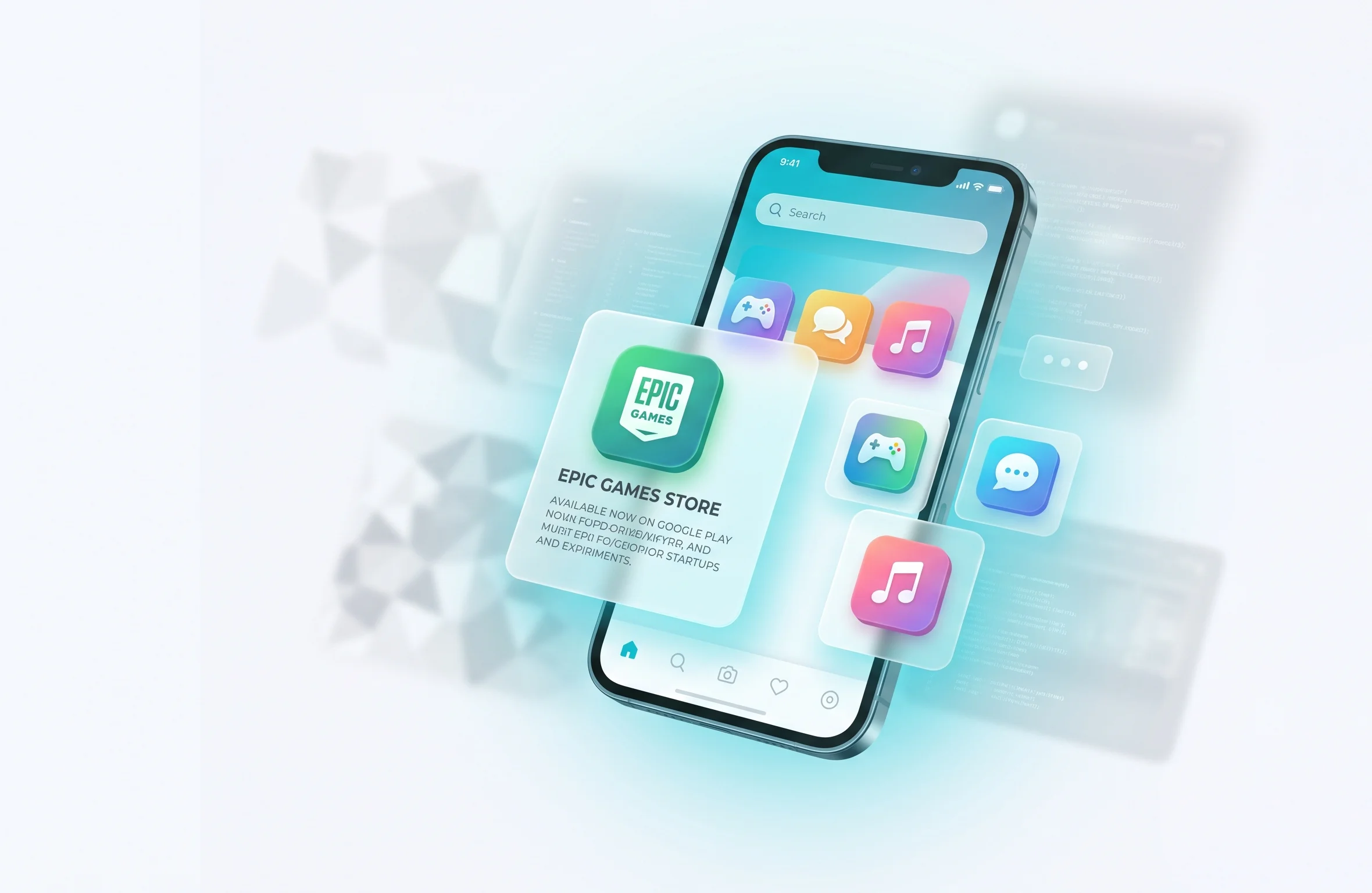
Why Google Must Open the Play Store
The long-running legal battle between Epic Games and Google has reached a critical phase with far-reaching consequences for the entire Android ecosystem. Following a ruling by US District Judge James Donato, the Google Play Store must begin hosting and distributing competing third-party app stores. This decision was upheld in July 2026 after Google’s attempt to delay the injunction’s enforcement was withdrawn. This is not merely a cosmetic change; it is a fundamental shift in how Android users will access software and how developers can monetize their products.
The primary reason for this forced move lies in the finding that Google is a monopolist in the Android app distribution market and related payment services. The court ruled that Google used its market power to suppress competition, imposing high fees on developers and restricting the capabilities of third-party platforms. Opening the Play Store to competitors is an attempt to remedy this situation and create a more level playing field.
What Changes for Android Users
For the average Android user, these changes will be noticeable almost immediately. New opportunities will arise, along with new challenges:
- Simplified Access to Alternatives: Users will be able to download third-party app stores (e.g., Epic Games Store, Samsung Galaxy Store, or even specialized gaming hubs) directly from the Google Play Store. This will eliminate the need for complex “side-loading” procedures (downloading from unofficial sources) that often deterred less experienced users.
- Potentially Lower Prices: Thanks to competition among stores, developers may offer lower prices on apps or in-app purchases, as they won’t be obligated to pay Google’s standard commission (which previously stood at 30% for many transactions).
- Content Diversity: Some apps or games that previously did not comply with Google Play’s strict rules may become available through alternative stores. This could apply to cloud gaming services or apps with alternative payment systems.
Security in the New Reality
However, opening the ecosystem also carries risks. Google has repeatedly emphasized the potential security threats associated with downloading apps from unverified sources. While the Google Play Store will only be the platform for distributing the stores themselves, the responsibility for vetting apps within these third-party stores will fall on their operators.
Users will need to be more vigilant and only trust reputable third-party stores. Google will likely implement new warning and protection mechanisms, but ultimate choice and responsibility will remain with the user. There is a risk of increased malware if users haphazardly install apps from any available store.
Implications for Developers and Google
For app developers, this decision is a significant victory. They gain:
- Greater Freedom of Choice: The ability to choose the distribution platform with the best commission and support terms.
- Alternative Payment Systems: Developers can use their own or third-party payment gateways, avoiding Google’s commission, which can significantly boost their revenue.
- Direct Contact with Audience: Some third-party stores may offer better tools for marketing and user engagement.
Impact on Google’s Business Model
For Google, this decision is a serious financial and strategic challenge. The company will lose a significant portion of Play Store commission revenue. Furthermore, it may weaken the control over the Android platform that Google has sought to maintain for years. The company will need to rethink its business model, looking for new ways to monetize Android and Google Play, perhaps through service licensing or providing paid developer tools.
Technical Aspects of Integration
Integrating third-party stores into the Google Play Store will require significant technical changes. Google must ensure:
This is a complex process, and Google is likely to implement these changes gradually to minimize disruption and ensure platform stability. It is expected that initially, the number of supported third-party stores will be limited.
Conclusions and Outlook
The court’s decision in the Epic Games v. Google case is a turning point for Android. It breaks the Google Play Store monopoly and paves the way for genuine competition in the mobile app distribution market. This will benefit developers and users through greater freedom of choice and potentially lower prices, but it will also create new challenges in the area of security. For Google, this is the end of an era of absolute control over Android and the beginning of a new phase of adaptation to a more open market.
The coming months and years will show how effectively this decision is implemented and how it impacts the development of mobile technologies and the business strategies of major tech companies.


0 Comments