
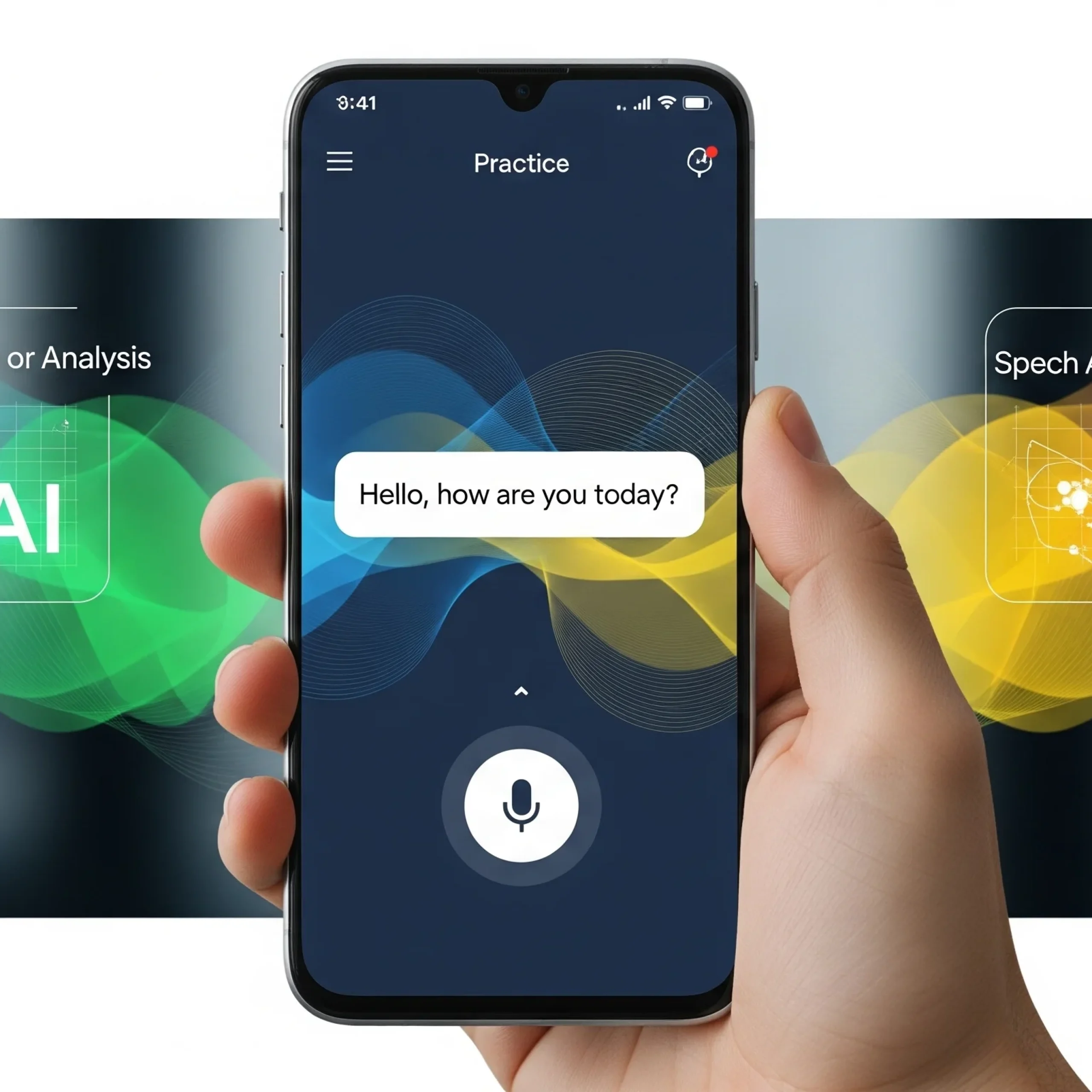
Google Translate has long been an indispensable tool for instantly translating words and phrases, but its functionality was limited. Google decided to change this by introducing a new, revolutionary feature that transforms the app into a fully-fledged learning tool. By integrating elements similar to the popular Duolingo service, Google Translate promises to become your personal pocket tutor. This change not only expands its applicability but also opens a new era in digital education, making language learning accessible to even more people.
How does the new feature differ from regular translation?
Instead of simply converting text or language, the new “Practice” mode creates an interactive environment. Users can immerse themselves in dialogues and exercises tailored to their needs and language proficiency. This isn’t just translation, but practicing speaking skills in real or simulated situations. This approach fundamentally changes the perception of Google Translate, transforming it from a passive tool into an active participant in the educational process. This feature is based on Google’s powerful algorithms, which analyze user speech, provide instant feedback, and correct errors-all key to effective learning.
Google Translate vs. Duolingo: What’s the Difference?
While the new feature has similarities to Duolingo, their approaches differ:
- Google Translate focuses on practice and conversational speech. It provides contextualized scripts that can be customized to your needs, making it ideal for those who want to practice before traveling.
- Duolingo is more focused on game-based format and structure. It uses short, gamified lessons to gradually introduce new vocabulary and grammar.
- Google Translate uses a massive translation database and AI to create an infinite number of scenarios, while Duolingo offers fixed sets of exercises. This makes Google Translate more flexible for experienced users who need practice.
It’s not a direct competition, but rather a complementary approach. A user can learn the basics in Duolingo and then use Google Translate to practice specific situations, which is a great synergy for those serious about language learning.
How will the new feature impact language learning?
Integrating a learning mode into one of the world’s most popular apps could have a dramatic impact on education. Here are just a few of its potential implications:
- Massive learning: Millions of users who use Google Translate every day will have access to language learning tools without having to download a separate app. This will significantly lower the barrier to entry into the learning process.
- Personalization: The ability to create your own lessons allows you to tailor your learning to your specific needs-whether you’re preparing for a business meeting or simply chatting with friends in another country.
- Improving the experience: Continuous improvements to Google’s AI and algorithms will make feedback more accurate and lessons more effective.
Although the feature is still in beta testing, its potential is enormous. It promises to democratize access to quality language education and make it a part of everyday life. This proves that even the most basic technologies can evolve, opening new horizons for users around the world.
With the introduction of the “Practice” mode, the line between simple utilities and educational platforms becomes increasingly blurred. Users gain more opportunities for self-improvement, and this is a wonderful example of how technology can facilitate personal growth. Very soon, we will be able to see for ourselves how Google Translate can truly replace a full-fledged language course.




0 Comments