
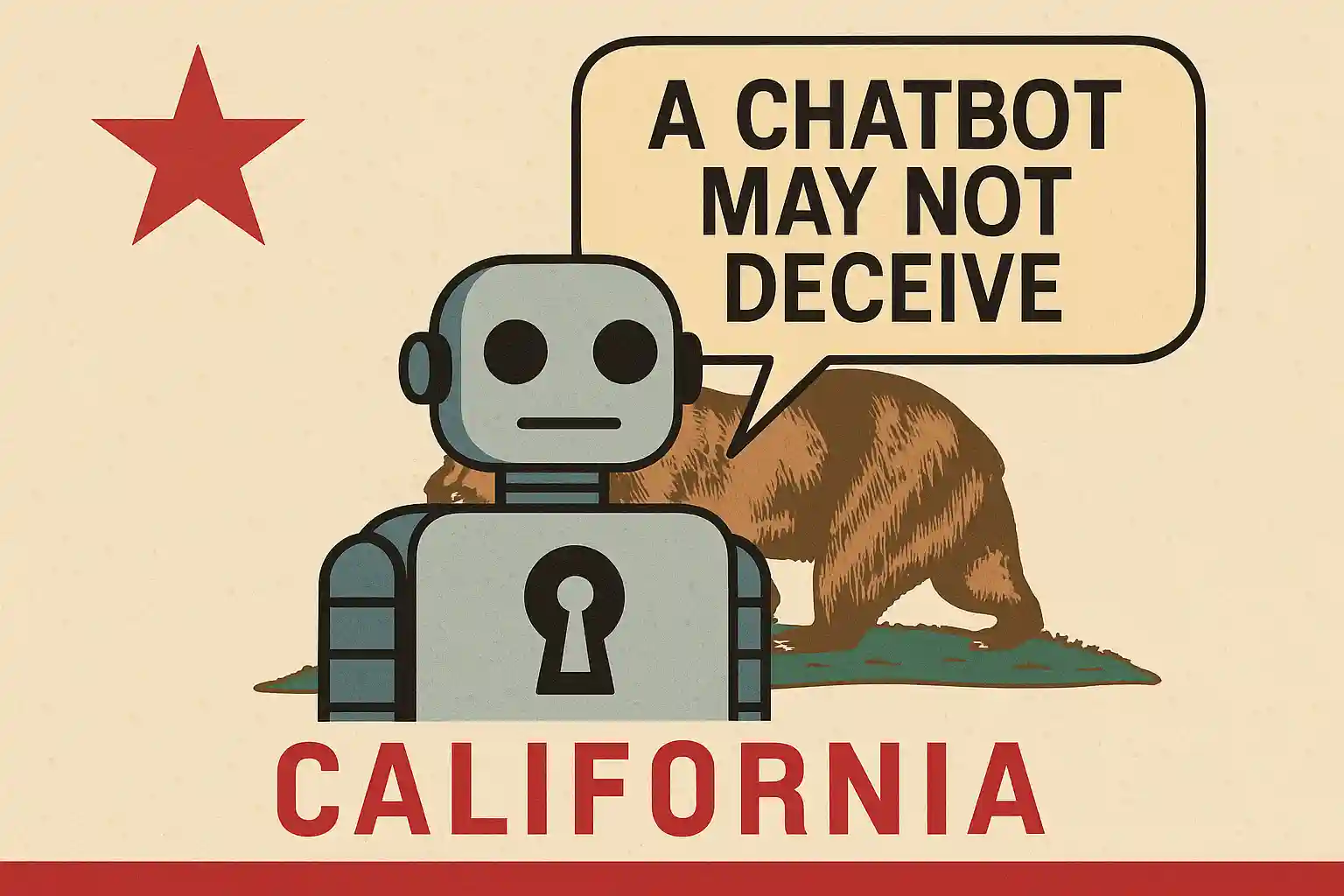
With the dawn of the era of generative artificial intelligence, the world faces not only new opportunities but also new challenges. One of the most pressing issues is the lack of clear rules of the game. Should chatbots identify themselves as non-human? How can we prevent them from being used for manipulation and the spread of disinformation? In search of answers to these questions, American lawmakers have taken the first decisive step. A key US state may pass a chatbot law that will set a completely new standard for AI regulation.
#VALUE!
California has traditionally been the epicenter of technological change in the United States, and it is this state that has spearheaded these innovations. The proposed chatbot law is part of a broader initiative aimed at regulating AI systems. It requires any organization developing, deploying, or using AI for public communication to clearly disclose this information. This applies not only to large players like Gemini and GPT but also to any small startups.
The bill’s key provision is the requirement to disclose AI. Developers will be required to indicate that the user is interacting with artificial intelligence. This could be done through special labeling, text, or other human-readable means. The goal is to ensure that people are not deceived or misled into believing they are communicating with a real person.
#VALUE!
The need to adopt such a chatbot law is driven by a number of reasons. First, it’s to combat disinformation. Using chatbot tools, it’s possible to create realistic, yet completely fake, news, chats, and other information that could influence public opinion. This is especially true in the political sphere, where chatbots are already being used to spread propaganda.
Secondly, it protects against fraud. AI systems posing as humans can be used to extort personal data, commit financial fraud, and other crimes. Identifying AI systems will help consumers distinguish genuine company representatives from malicious actors. This technological legislation is a step toward establishing accountability and rules of conduct in the new digital space.
#VALUE!
While the California initiative may be the first, it is part of a global trend. Many countries and regions have already begun considering their own AI laws. For example, the European Union has developed its AI Act, a comprehensive document regulating various aspects of AI use. China also has its own regulations, particularly regarding AI-generated content.
Enforcing the law in California could accelerate similar processes in other states and countries. After all, if the world’s tech capital deems it necessary, it sends a strong signal to everyone. It demonstrates that AI regulation is becoming a priority at the highest levels.
#VALUE!
The California initiative isn’t an attempt to restrict AI development, but rather to make it more accountable and transparent. When people understand what they’re interacting with, they can make more informed decisions. This also incentivizes developers to create AI systems that are safer and more reliable.
Chatbot legislation is just the beginning. The future will bring even more challenges related to the development of artificial intelligence, but this initiative demonstrates that society is ready to respond to them. It is important that such technology legislation not only facilitates oversight but also further development of the technology, laying the foundation for the safe and ethical operation of AI.
#VALUE!
- Disclosure required: Chatbots must disclose that they are AI and not human.
- Transparency: This requirement applies to Gemini, GPT, and other AI systems.
- Defense: The law is aimed at combating disinformation and fraud.
- Political sphere: SI systems used in political campaigns are strictly regulated.
- Precedent: California’s legislation could serve as an example for other US states.




0 Comments