
Unprecedented Demand: How Generative AI is Emptying Data Center Rosters
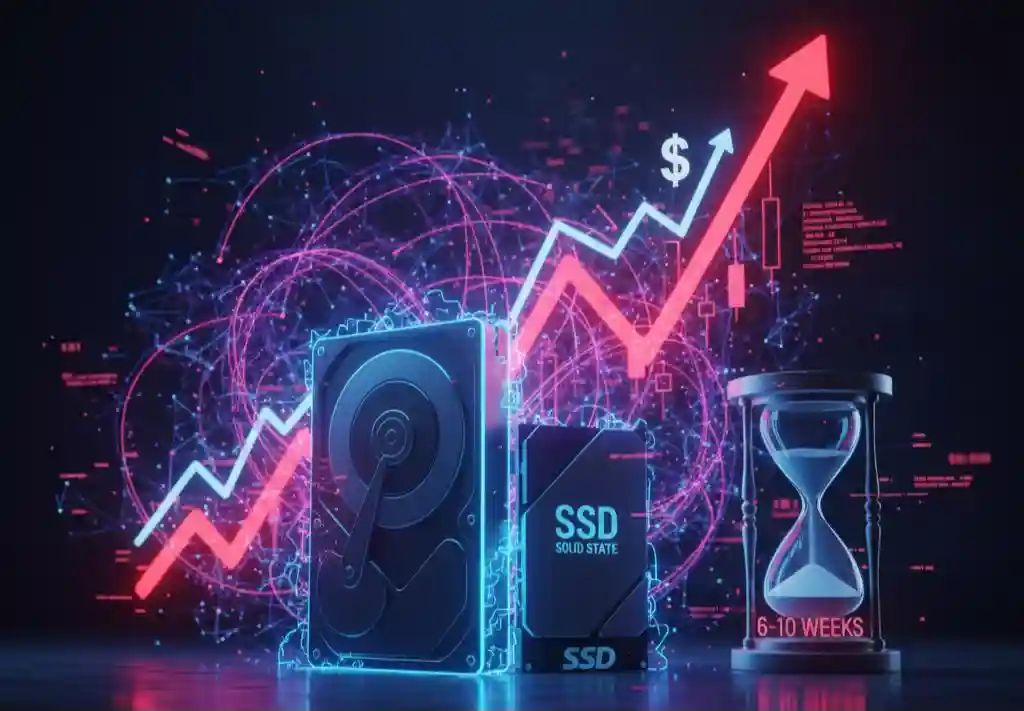
The global data storage market has entered a period of sharp price increases, driven by unprecedented demand from the artificial intelligence (AI) industry. Western Digital (WD) and Seagate, key hard drive (HDD) manufacturers, have officially informed their partners of immediate price increases across their entire product line. This price hike is a direct response to the increased efforts of tech giants (Google, Oracle, and others) to expand their infrastructure to support AI services, which is creating a massive shortage.
The main culprit behind the shortage is high demand for nearline HDDs-high-capacity hard drives (16 TB and above), the workhorses of data centers. According to industry sources, lead times for these drives have already stretched to nearly a year. Faced with this imbalance, manufacturers are forced to raise prices to not only cover innovation costs but also curb excessive demand.
Solidarity for Growth: WD, Seagate, and NAND Chips
WD isn’t alone in reacting to the situation. Competitor Seagate has already initiated price increases, citing the need to invest in next-generation technologies (such as HAMR). Thus, the two global leaders in HDD production are simultaneously raising prices.
The growth trend has also affected the solid-state memory market. Manufacturers of NAND chips (the basis for SSDs) are also adjusting prices. Specifically, SanDisk (owned by WD) raised prices for NAND products by 10%, while Micron and other market players are also taking measures to “correct market imbalances,” including cutting production, which directly impacts the cost of consumer and enterprise SSDs.
Logistics hit: Delays up to 10 weeks
Western Digital further complicated the situation for its customers by announcing changes to its logistics. The company is switching from more expensive but faster air freight to cheaper ocean freight. Although this move is presented as a “commitment to sustainability” (reducing emissions), it has two negative consequences:
- Increased transit time: Delivery time for discs will increase by 6-10 weeks.
- Short-term shortage This delay will inevitably create a short-term shortage of HDDs in the market, which will further increase pricing pressure.
Market analysts note that price increases could persist until manufacturers can significantly expand production capacity to meet the insatiable demand from AI. In the meantime, consumers and businesses should prepare for higher prices and significantly longer wait times for storage media.



0 Comments